
Hernia
About Hernia?
A hernia happens when a part of the intestine or fatty tissue pushes
through a weak area in the abdominal wall, causing a visible swelling.
What is a Hernia?
A hernia happens when a part of the intestine or fatty tissue pushes through a weak area in the abdominal wall, causing a visible swelling.It is commonly seen in the groin (inguinal hernia), around the navel, or at previous surgical scars.
Hernias do not heal on their own and usually require surgery.
Common Symptoms
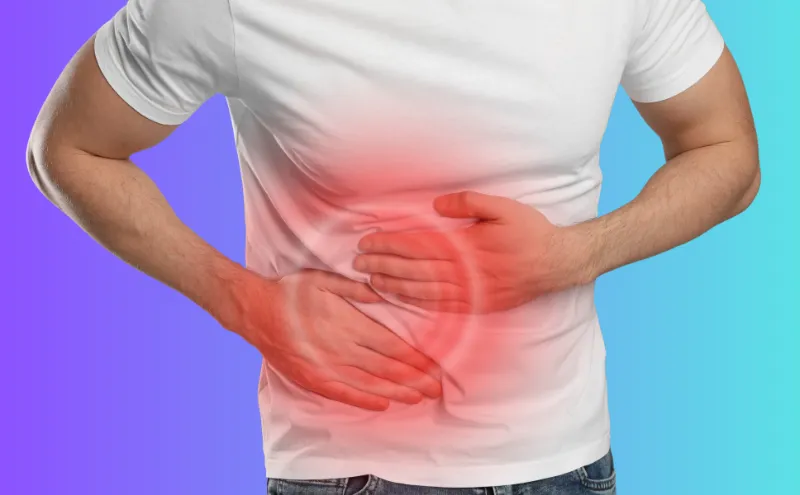
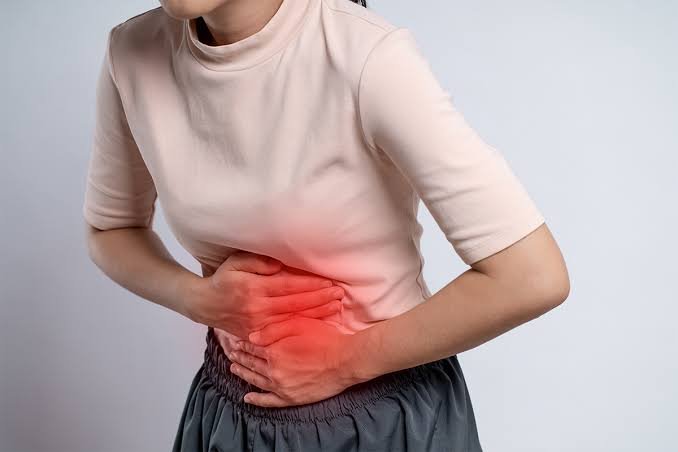
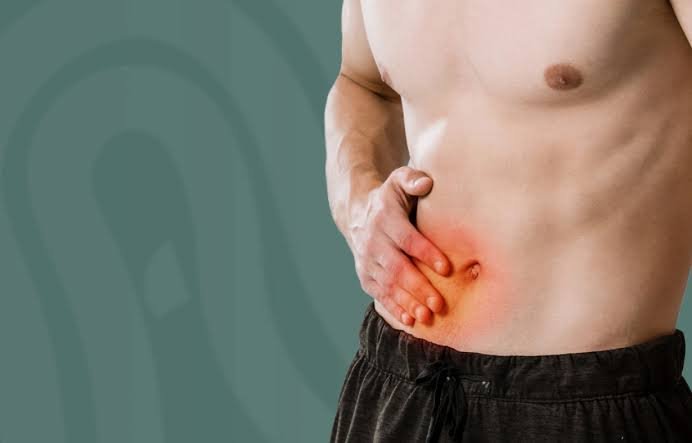
- Swelling in groin or abdomen
- Swelling increases while coughing or lifting weight
- Mild pain or dragging sensation
- Burning feeling at swelling site
- Swelling disappears when lying down (early stage)
Possible Complications
- Sudden severe pain
- Vomiting
- Swelling becomes hard and painful
- Intestine gets trapped (strangulation)
- Emergency condition requiring urgent surgery
If swelling becomes painful and does not go back inside, consult a doctor immediately.
Surgery Options for Hernia
Laparoscopic TAPP
(Trans-Abdominal Pre-Peritoneal Repair)
What is TAPP?
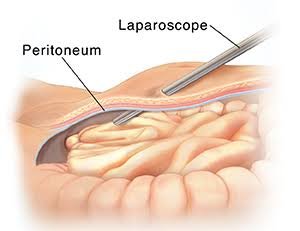
A minimally invasive “keyhole” surgery where mesh is placed from inside the abdomen to cover the weak area.
Advantages
- Smaller cuts
- Less pain
- Faster recovery
- Early return to work
- Better for bilateral (both sides) hernia
- Better cosmetic result
Open Hernia Surgery
What is it?
A single incision is made over the swelling and mesh is placed to strengthen the abdominal wall.
Advantages
- Suitable for large or complicated hernias
- Can be done under spinal anesthesia
- Reliable and effective
What you need to know
Frequently asked questions
What is a Hernia?
A hernia happens when a part of the intestine or fatty tissue pushes through a weak area in the abdominal wall, causing a visible swelling.
What are the common symptoms?
- Swelling in groin or abdomen
- Swelling increases while coughing or lifting weight
- Mild pain or dragging sensation
- Burning feeling at swelling site
- Swelling disappears when lying down (early stage)
What are the possible complications if a hernia is not treated?
- Sudden severe pain
- Vomiting
- Swelling becomes hard and painful
- Intestine gets trapped (strangulation)
- Emergency condition requiring urgent surgery
Which Surgery is Better?
Both are safe and effective.
Choice depends on:
- Size of hernia
- Patient age and health
- Single or bilateral hernia
- Previous surgeries