
Gallbladder Stones
Gallbladder Stones (Gallstones)
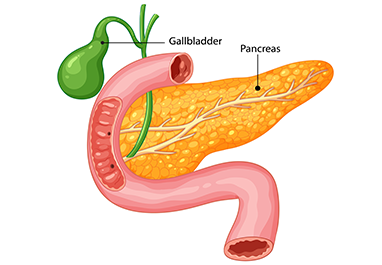
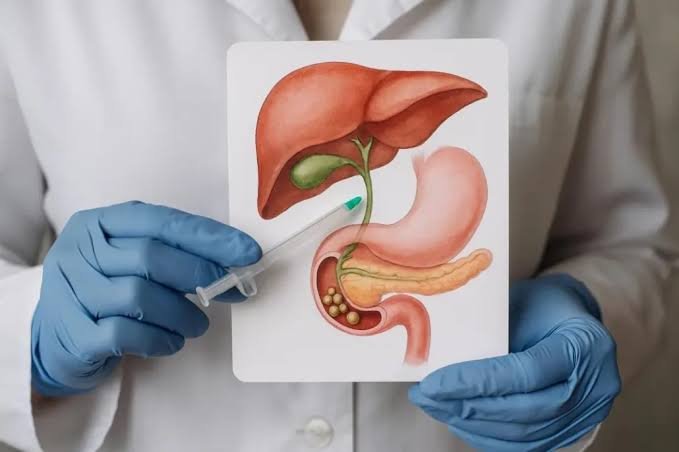
Gallstones form when bile becomes thick and concentrated.
Why Are Gallstones Formed?
Gallstones form when bile becomes thick and concentrated.
Reasons include:
- High cholesterol
- Obesity
- Rapid weight loss
- Diabetes
- Female gender
- Pregnancy
- Family history
- Age above 40
Common Symptoms
Symptoms of Gallbladder Stones
- Pain in right upper abdomen
- Pain after eating oily or spicy food
- Pain spreading to back or shoulder
- Nausea or vomiting
- Fever (if infection develops)
- Jaundice (rare but serious)
Some people may have stones without symptoms.
When to Get Operated?
Surgery is recommended when:
- Repeated pain attacks
- Severe abdominal pain
- Fever with pain (infection)
- Jaundice
- Pancreatitis due to stones
Once symptoms start, medicines usually do not cure stones permanently.
Surgery Options & Advantages
Laparoscopic Gallbladder Surgery
- 3–4 small keyhole cuts
- Camera inserted
- Laproscopic cholecystectomy
- Gallbladder removed safely
- Stones removed along with gallbladder
Important Note
Removing the gallbladder does not affect normal digestion significantly.
Most patients live a completely normal life after surgery.
Advantages
- Minimal pain
- Small scars
- Faster recovery
- Discharge usually within 1–2 days
- Early return to normal diet
What you need to know
Frequently asked questions
What are gallstones?
Gallstones form when bile becomes thick and concentrated.
What are the symptoms of gallbladder stones?
- Pain in right upper abdomen
- Pain after eating oily or spicy food
- Pain spreading to back or shoulder
- Nausea or vomiting
- Fever (if infection develops)
- Jaundice (rare but serious)
What is Laparoscopic Gallbladder Surgery?
- 3–4 small keyhole cuts
- Camera inserted
- Laproscopic cholecystectomy
- Gallbladder removed safely
- Stones removed along with gallbladder
Does removing the gallbladder affect digestion?
Removing the gallbladder does not affect normal digestion significantly. Most patients live a completely normal life after surgery.